- Core Lease Requirements
- Habitability Standards and Landlord Obligations
- Tenant Rights and Notice Requirements
- Security Deposits and Move-Out Accounting
- Fair Housing and Tenant Screening
- Eviction Process and Court Proceedings
- Kingston's ETPA and Rent Stabilization
- Short-Term Rentals and Local Restrictions
- Bottom Line
- Frequently Asked Questions About New York Landlord-Tenant Law
- Leases: Written terms and the correct disclosures help owners document each tenancy clearly.
- Maintenance: New York's habitability requirements apply throughout a residential tenancy.
- Notices: Non-renewal rules depend on tenancy duration and applicable rent protections.
- Deposits: Non-regulated rentals generally require deposit accounting and refunds within 14 days after move-out.
- Eviction: Only authorized officers can carry out a court-issued eviction warrant.
Managing rental property in New York means operating under a detailed tenant-protection framework. For landlords in Kingston, Saugerties, Woodstock and across the Hudson Valley, understanding these rules is the foundation of compliant ownership.
New York landlord-tenant law covers leases, maintenance, deposits and how tenancies end. First Capital Property Management works with Hudson Valley owners on these obligations every day. This guide explains the essentials, including Kingston's additional rental protections.
Core Lease Requirements
New York requires a written lease for a tenancy longer than one year. Use clear language and identify the premises, parties, rent, due dates, lease term and each party's obligations.
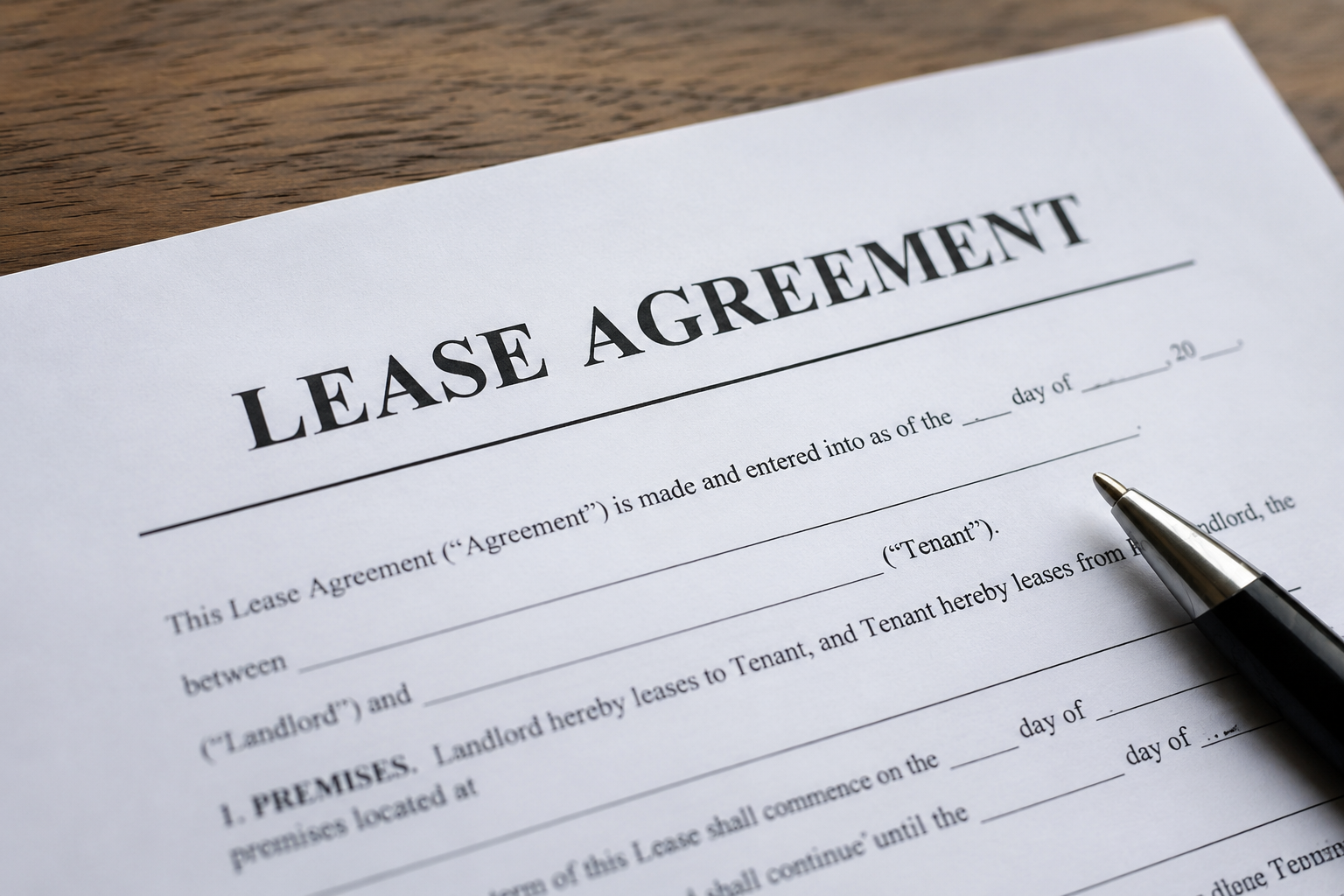
Required attachments depend on the tenancy. Rent-stabilized housing has prescribed lease documentation, while state law also requires a Good Cause Eviction disclosure explaining coverage or the applicable exemption.
Written terms remain useful for month-to-month rentals. They prevent misunderstandings and provide a record of the agreement.
Habitability Standards and Landlord Obligations
New York's warranty of habitability requires residential premises and common areas to remain fit for occupancy. Landlords must address essential services, structural problems and conditions such as pest infestations. Heating and hot-water requirements must follow the codes applicable to the building and municipality.
Track repair requests, arrange access and document completed work. Tenants can report housing-code violations and seek remedies for habitability failures, including rent abatements. First Capital coordinates maintenance so requests are recorded, prioritized and completed, rather than lost between an owner and a contractor.
Tenant Rights and Notice Requirements
Non-renewal protections depend on the rental’s regulatory status. Kingston has adopted Good Cause Eviction protections for covered housing; rent-stabilized units have separate protections. Covered owners must establish a legally recognized basis for ending a tenancy.

For non-regulated tenancies, state notice periods are 30, 60 or 90 days, based on occupancy duration or lease length, whichever is longer. These notices also apply to proposed rent increases of at least 5%. A notice does not itself authorize physical eviction.
Security Deposits and Move-Out Accounting
Security deposits generally cannot exceed one month's rent. Treat deposits as tenant trust funds, separate from operating money. Buildings with six or more apartments require an interest-bearing New York bank account at the prevailing rate.
For non-regulated rentals, deposit accounting and refunds are due within 14 days after the tenant vacates. Document lawful deductions, such as unpaid rent or damage beyond normal wear. Ordinary deterioration cannot be charged to the tenant. Keep inspection records, photographs and invoices with the accounting.
Fair Housing and Tenant Screening
New York prohibits housing discrimination based on protected characteristics, including race, religion, disability and lawful source of income. Apply consistent, lawful screening criteria and record the reasons for decisions.
Screening can include credit, income and rental references. However, owners cannot reject an applicant because they were involved in a past or pending landlord-tenant court case. First Capital's screening process uses consistent criteria and documentation to support fair, defensible decisions.
Eviction Process and Court Proceedings
Eviction requires court proceedings, not lock changes, utility shutoffs or removal of belongings. A residential nonpayment case generally requires a written 14-day rent demand before filing. Lease-violation cases follow the notices required by the lease and applicable law.
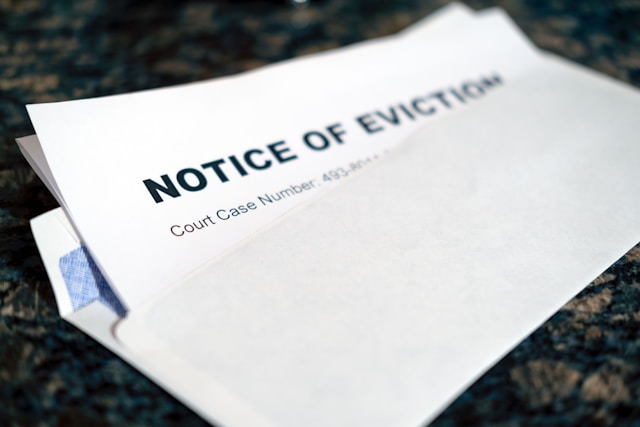
After the court issues a judgment and warrant, an authorized sheriff, marshal or constable handles enforcement. The officer generally gives at least 14 days' written notice before execution. Maintain the lease, payment history, notices and service records together; they establish the chronology of the case.
Kingston's ETPA and Rent Stabilization
Kingston adopted the Emergency Tenant Protection Act in 2022 for eligible buildings with six or more apartments built before 1974. The Court of Appeals upheld the city's adoption in June 2025.
ETPA regulates rents and tenancy protections. Apply the rent-guideline order governing the relevant lease period, rather than carrying an old annual percentage into a new renewal. Building coverage, registrations and applicable renewal procedures belong in the property's compliance file. Our team tracks coverage and lease timelines for Kingston owners.
Short-Term Rentals and Local Restrictions
Kingston requires a short-term rental permit before advertising or operating. Full permits are capped at 1% of city housing units; resident-occupied and limited rentals have separate categories. Accessory dwelling units cannot receive STR permits.
Ulster County imposes a 4% occupancy tax. Booking services collect and remit tax on bookings they facilitate, while operators handle direct bookings and still file required returns. Other Hudson Valley municipalities have their own zoning and permit rules. First Capital supports owners with STR permitting, compliance and occupancy-tax filing.
Bottom Line
New York rental compliance depends on clear leases, documented maintenance, lawful screening and accurate notices and deposit accounting. Kingston adds property-specific rent protections and short-term rental requirements.
First Capital Property Management brings local knowledge and organized systems to these responsibilities. Our team coordinates the details of day-to-day ownership so you can focus on your investment.
Frequently Asked Questions About New York Landlord-Tenant Law
A property's regulatory status changes how several statewide rules apply. These questions clarify the records and distinctions owners need when managing a tenancy.
What Must Be Included in a New York Lease?
Identify the rental address, parties, rent amount, payment dates, lease term and occupancy conditions in clear language. A tenancy longer than one year needs a written agreement. Include required disclosures and use the prescribed documentation for regulated housing rather than a generic summary of tenant rights. Good Cause Eviction notices must explain whether the unit is covered or exempt. Keep the executed lease and attachments together, so renewal decisions begin with a complete record of the tenancy.
How Much Notice Must a Landlord Give Before Refusing to Renew a Lease?
For non-regulated housing, use the longer of the tenant's occupancy and lease term to determine the notice period. The tiers are generally 30 days for less than one year, 60 days for one to less than two years, and 90 days for two years or more. Regulated housing has its own renewal requirements. Good Cause coverage can also restrict the reasons for non-renewal. Record the tenant's original move-in date, current lease dates and applicable protections before selecting a notice.
What Is the Difference Between a Lease Violation and a Habitability Failure?
A lease violation concerns a breach of a lawful rental term, such as unauthorized subletting. A habitability failure concerns conditions that make the home unfit, hazardous or unhealthy, such as a serious heating failure or pest infestation. These issues require different responses and records. Document an alleged lease breach separately from maintenance requests, including dates, photographs and communications. Address essential repairs promptly. A dispute about rent or another lease obligation does not authorize shutting off essential services.
How Long Do I Have to Return a Security Deposit After a Tenant Moves Out?
For non-regulated rentals, return the balance and an itemized statement of deductions within 14 days after the tenant vacates. Missing that deadline forfeits the right to retain any portion. Rent-regulated deposits follow separate return rules. Organize the move-out inspection promptly and compare the condition against move-in records. Support deductions with actual costs and evidence that the tenant caused damage beyond ordinary wear. A willful violation of the non-regulated deposit rules can result in additional punitive damages.
What Does It Mean if My Kingston Building Is Covered by the ETPA?
ETPA coverage means rent regulation and tenancy protections must be part of the building's management, not treated as ordinary market-rate lease decisions. Start with the building's coverage records, registered rents and existing leases. Match any proposed adjustment to the applicable Rent Guidelines Board order and review the renewal procedures governing the tenancy. Preserve notices and supporting calculations in the property file. First Capital helps owners track coverage and coordinate lease administration, keeping those records connected to daily management.
Please note that the information provided in this blog is intended for general guidance and should not be considered as a replacement for professional legal advice. It is important to be aware that laws pertaining to property management may change, rendering this information outdated by the time you read it.
